
The Art of Pruning Indoor Plants: A Beginner’s Guide to Shaping and Care
Unlock the secrets to healthier, more beautiful indoor plants with our beginner's guide to pruning. Learn essential techniques to shape your green friends, encourage vibrant growth, and maintain their beauty.
Share Article
Featured Plant
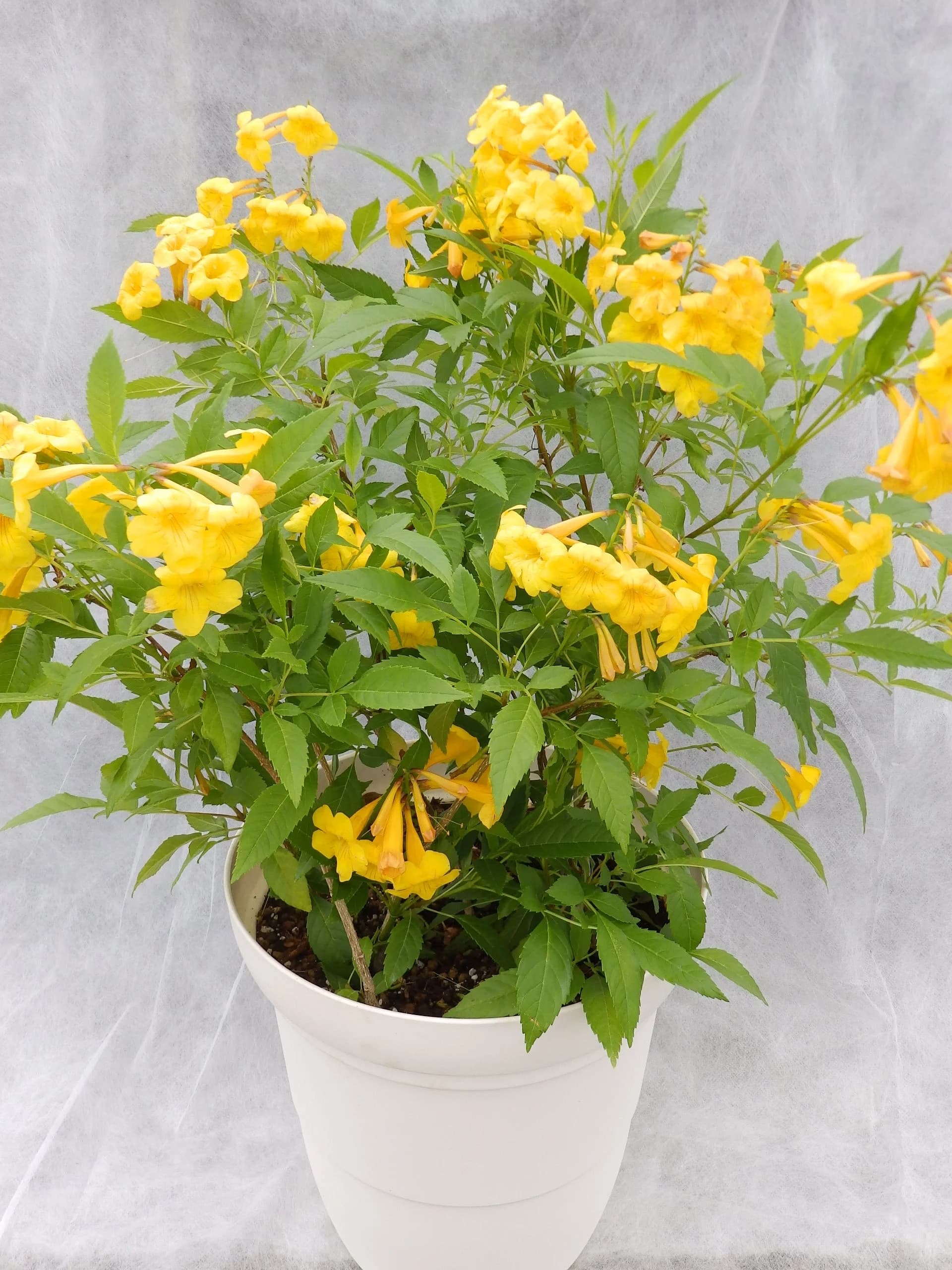
Want the look?
Shop the exact plants mentioned in this article.
Why Prune Indoor Plants?
Pruning might seem intimidating, but it's a vital practice for maintaining the health, shape, and vigor of your indoor plants. Think of it as giving your plant a spa day – removing the old to make way for the new. Proper pruning can:
- Encourage Bushier Growth: By removing apical (top) buds, you signal the plant to produce new growth from side shoots, leading to a fuller, more compact appearance.
- Promote Health: Removing dead, diseased, or damaged leaves and stems prevents the spread of pathogens and redirects the plant's energy to healthy growth.
- Control Size and Shape: Keep your plants within desired dimensions and encourage an aesthetically pleasing form.
- Boost Flowering/Fruiting: For certain plants, pruning can stimulate the production of more blooms or fruit.
- Rejuvenate Older Plants: A good prune can breathe new life into leggy or overgrown specimens.
When to Grab Your Pruners
The best time to prune most indoor plants is during their active growing season, typically spring or early summer. This allows the plant to recover quickly and channel energy into new growth. Avoid heavy pruning during dormancy (fall and winter) as the plant's resources are lower.
However, you can always remove dead or yellowing leaves and stems at any time of year as part of regular maintenance.
Essential Pruning Tools
Clean, sharp tools are crucial to prevent damage and disease. For most indoor plants, you'll need:
- Sharp Scissors or Pruners: For smaller stems and leaves. Ensure they are clean and sterilized with rubbing alcohol before and after use.
- Bypass Pruners: For thicker stems (if you have larger indoor plants like Ficus or Monsteras).
How to Prune: Key Techniques
1. Removing Dead or Diseased Material
This is the simplest and most frequent type of pruning. Snip off any yellowing, brown, or mushy leaves and stems. Make the cut at the base of the stem or leaf petiole, close to the main stem, ensuring you don't leave stubs that can invite pests or diseases.
2. Shaping and Controlling Growth
To encourage a bushier plant, locate a node (the point where a leaf or branch emerges from the stem). Make a clean cut just above a node, ensuring the node is facing the direction you want new growth to appear. This technique is excellent for plants like Pothos, Philodendrons, and ZZ Plants.
3. Pinching Back
For young plants or those you want to keep compact, simply pinch off the very tip of a stem with your thumb and forefinger. This removes the apical bud and encourages side branching.
4. Dealing with Leggy Plants
Leggy plants have long, sparse stems with few leaves, often due to insufficient light. To rejuvenate them, prune back the long stems significantly. You can cut them back to a healthy node that has existing leaves or even to a bare stem if you're attempting to encourage completely new growth from the base. Be patient; new growth will emerge.
5. Deadheading
If your plant flowers, removing spent blooms (deadheading) encourages the plant to produce more flowers rather than expending energy on seed production. Snip off the faded flower stalk at its base.
After the Cut: Care Tips
- Watering: Ensure your plant is well-watered before and after pruning to aid recovery.
- Humidity: A slightly more humid environment can help new growth emerge.
- Fertilizing: Avoid fertilizing immediately after a heavy prune; wait a week or two until new growth appears.
- Observation: Keep an eye on your plant for any signs of stress or disease.
With a little practice and confidence, you'll soon master the art of pruning, turning your indoor plants into thriving, beautiful focal points in your home. Happy snipping!
Related Articles



Shop Related Plants
Bring the ideas from this article to life in your own home.
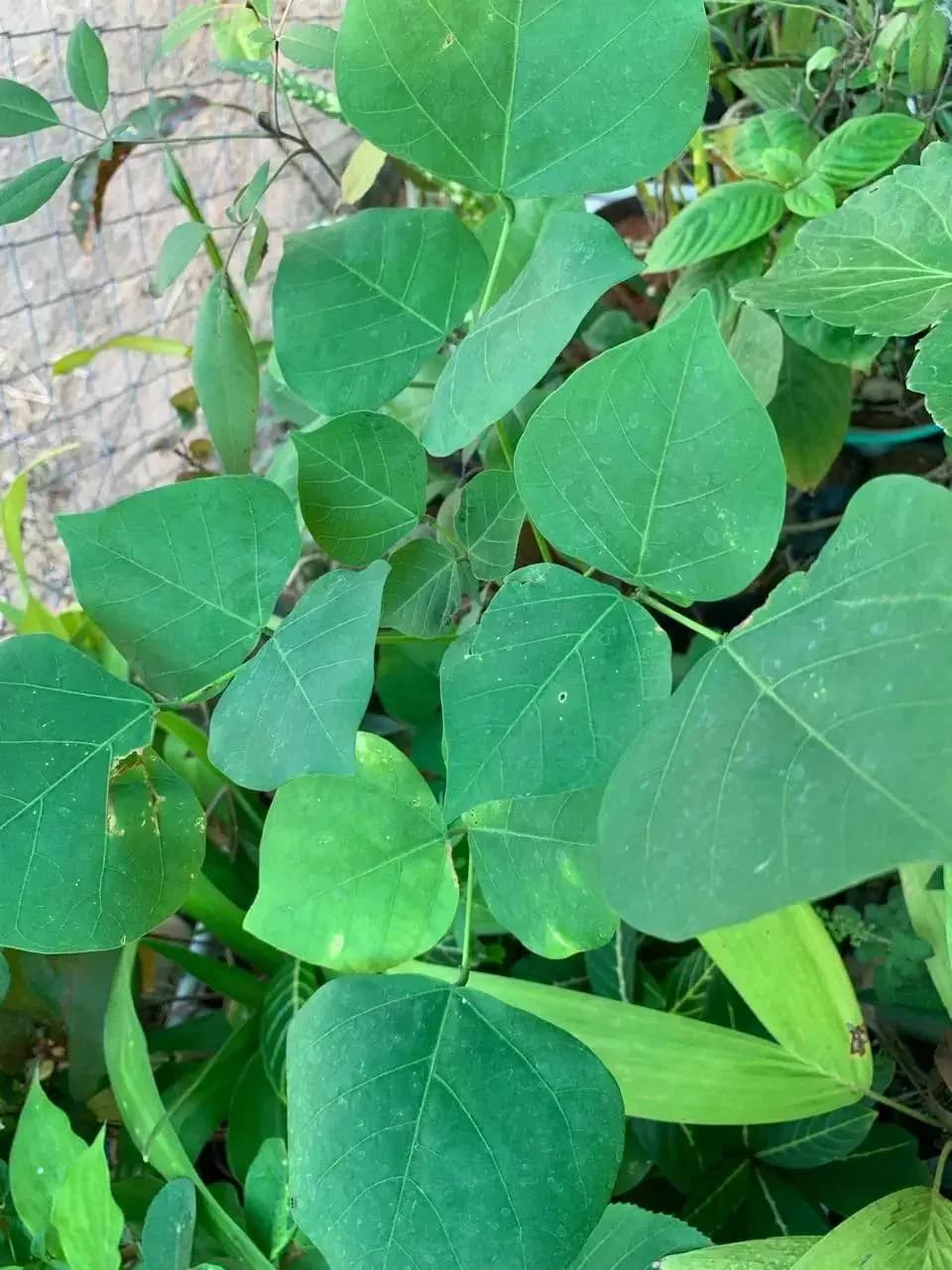
Kalyana Murungai Stem Cuttings, Pangara, Coral Tree Stem, Erythrina Variegata Plant Stem Cuttings
Ornamental Tree
₹100
₹130
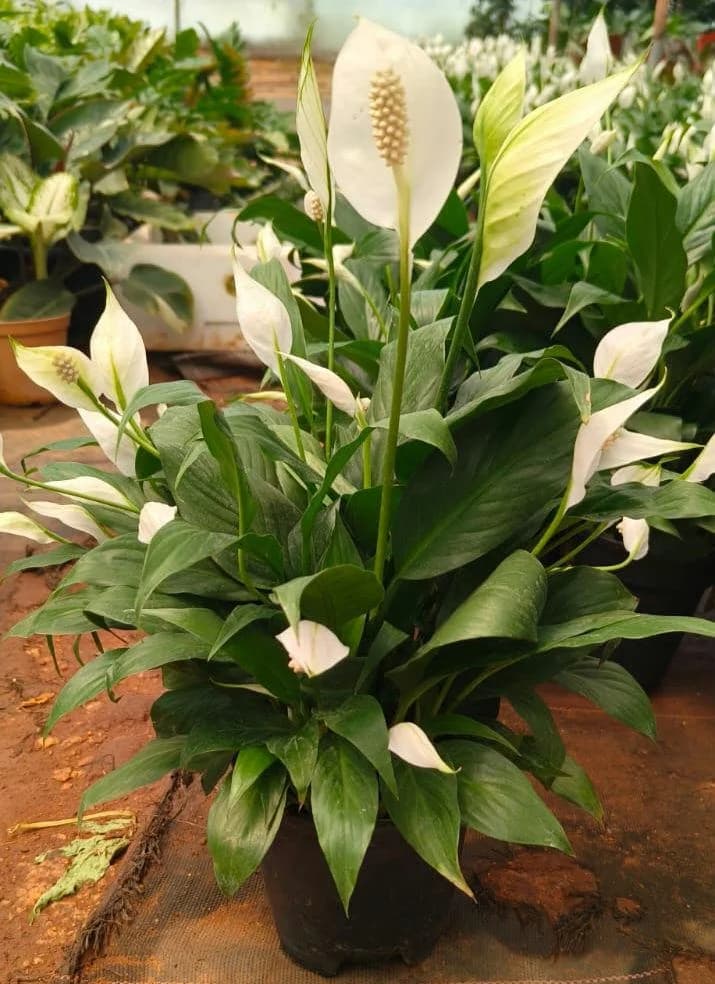
Live Peace Lily Or Spathiphyllum Plant Indoor Outdoor Plant Air Purifier Oxygen Supplier Good Luck With Round Pot For Living Room/bedroom/house/office (peace Lilly) (single Peace Lilly)
Indoor Air-Purifying Plant
₹139
₹190
Looking for something specific?
Search our entire catalog of premium indoor and outdoor plants.