
Shedding Light on Your Jungle: A Beginner's Guide to Mastering Indoor Plant Lighting
Unlock the secret to thriving indoor plants by understanding and mastering their lighting needs. This beginner's guide covers everything from natural light optimization to choosing the right grow lights.
Share Article
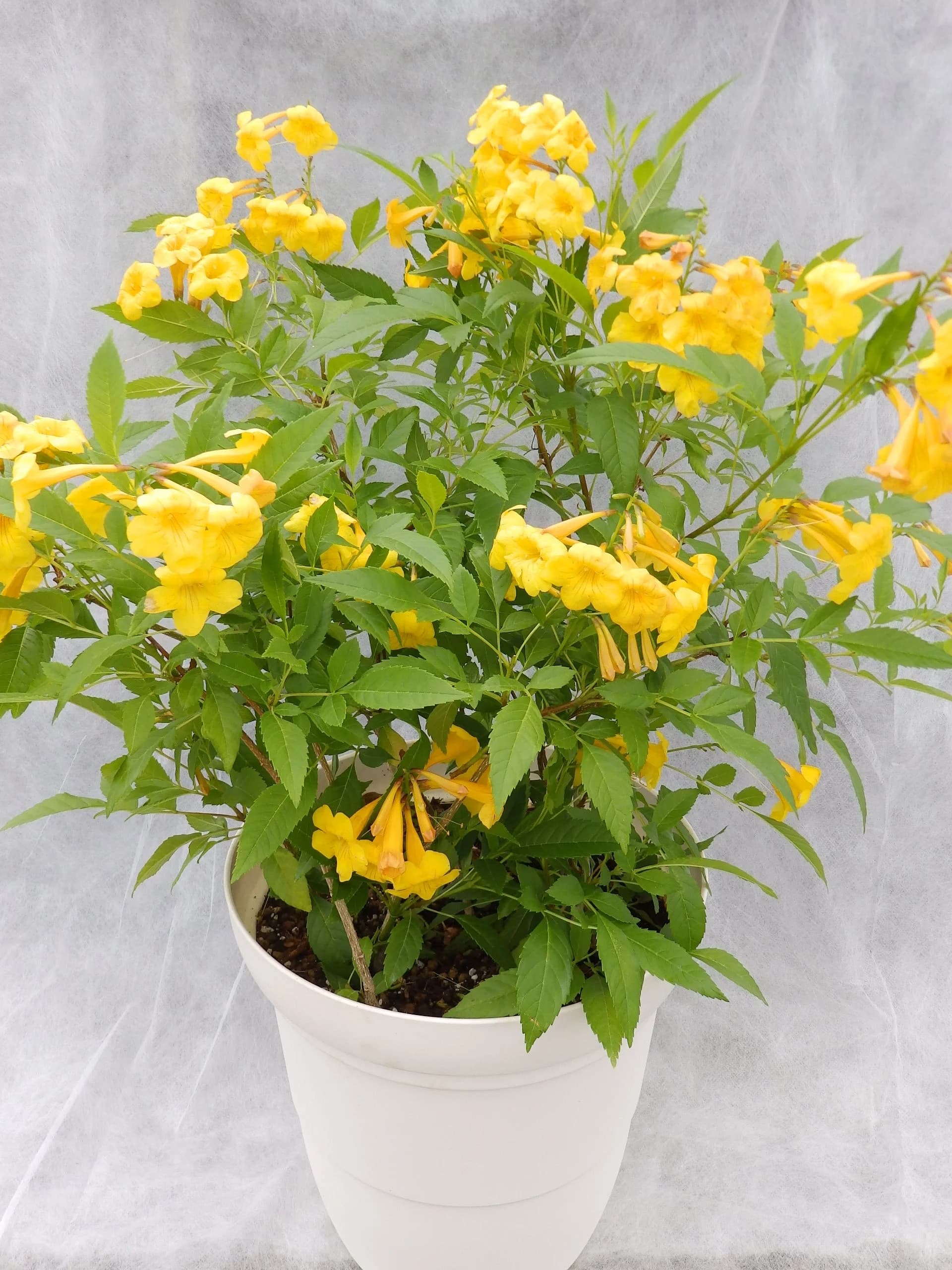
Featured Plant
Want the look?
Shop the exact plants mentioned in this article.
Why Light is Essential for Your Indoor Plants
Light is the lifeblood of your indoor plants. It fuels photosynthesis, the magical process where plants convert light energy into the sugars they need to grow, flower, and flourish. Without adequate and appropriate light, even the most resilient plants will struggle to survive, let alone thrive. But with so many factors to consider – natural light, artificial light, intensity, duration – it can feel overwhelming. Fear not, fellow plant parent! This guide will illuminate the path to perfectly lit plants.
Understanding Your Home's Natural Light
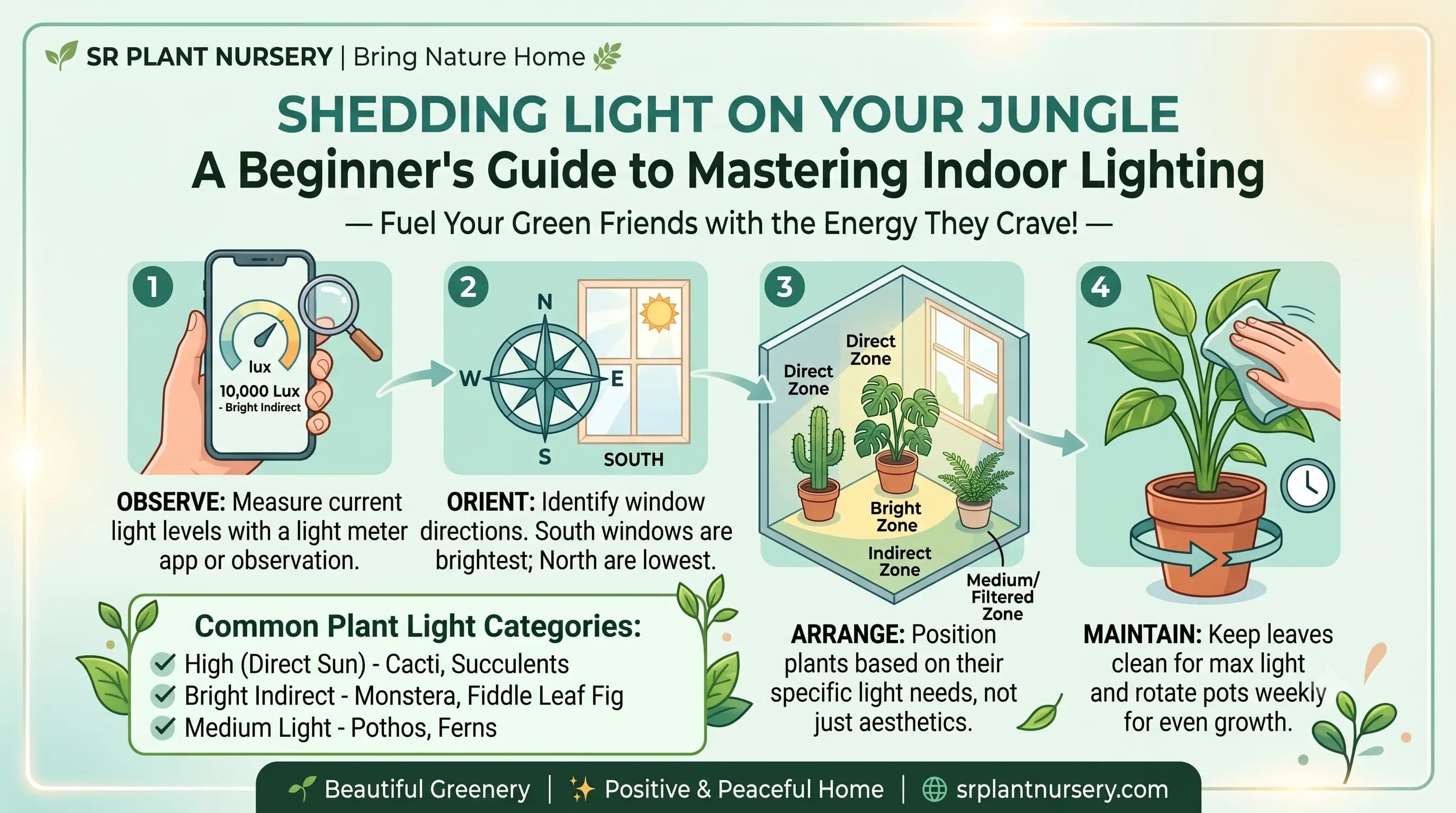
Before investing in fancy equipment, let's assess what you already have: natural light. Different windows offer varying light conditions:
- South-facing windows: Receive the most intense and consistent light throughout the day, ideal for high-light plants like succulents, cacti, and many flowering plants.
- East-facing windows: Offer bright, gentle morning light, perfect for plants that prefer moderate light, such as peace lilies, philodendrons, and ferns.
- West-facing windows: Provide intense afternoon light, which can be hot and harsh. Some high-light plants might tolerate it, but many others could scorch. Use sheer curtains to diffuse the light.
- North-facing windows: Offer indirect, consistent, and lower light levels, suitable for low-light tolerant plants like ZZ plants, snake plants, and pothos.
Remember, the intensity also depends on obstructions outside (trees, buildings) and the time of year.
Decoding Plant Light Requirements
Plants aren't one-size-fits-all when it comes to light. They are generally categorized into three groups:
- High Light: Need at least 6+ hours of direct, bright light daily (e.g., Fiddle Leaf Fig, Bird of Paradise, most herbs).
- Medium Light: Prefer bright, indirect light for 4-6 hours a day (e.g., Monstera, Pothos, Peace Lily).
- Low Light: Can tolerate lower light conditions, often indirect, for 2-4 hours a day (e.g., Snake Plant, ZZ Plant, Cast Iron Plant).
Always check your specific plant's needs. When in doubt, most houseplants prefer bright, indirect light.
Signs of Too Much or Too Little Light
Too Much Light:
- Yellowing leaves that turn crispy or brown, especially at the edges.
- Bleached or faded leaf color.
- Scorched spots on leaves.
- Stunted growth despite good watering.
Too Little Light:
- Leggy, stretched-out growth with long gaps between leaves.
- Smaller-than-normal new leaves.
- Lack of flowering (for flowering plants).
- Dropping lower leaves.
- Overall pale or dull appearance.
When Natural Light Isn't Enough: Artificial Grow Lights
If your home lacks sufficient natural light, or you want to give your plants an extra boost, artificial grow lights are a fantastic solution.
- LED Grow Lights: Energy-efficient, long-lasting, and emit very little heat. They come in full-spectrum options that mimic natural sunlight. Excellent for all stages of growth.
- Fluorescent Lights (T5 or T8): Affordable and good for seedlings, cuttings, and low-to-medium light plants. Often available in cool white (blue spectrum) and warm white (red spectrum) for different growth stages.
- Incandescent Lights: Generate too much heat and have an unsuitable light spectrum for most plants. Generally not recommended as primary grow lights.
Placement and Duration Tips:
- Distance: Follow manufacturer recommendations. Too close can burn, too far can be ineffective. LEDs can often be closer than fluorescents.
- Duration: Most plants benefit from 12-16 hours of light per day, followed by 8-12 hours of darkness. Use a timer for consistency.
- Spectrum: Full-spectrum lights are best for general growth. Blue light promotes leafy growth; red light encourages flowering and fruiting.
Optimizing Your Indoor Jungle's Light
- Rotate Plants: Turn your plants periodically so all sides get exposure.
- Clean Windows & Leaves: Dust on windows and leaves can reduce light penetration.
- Use Mirrors: Strategically placed mirrors can bounce light into darker corners.
- Group Plants: Create microclimates where plants can benefit from each other's humidity and light exposure.
- Observe & Adjust: Pay attention to your plants. They will tell you what they need!
Mastering indoor plant lighting is a journey of observation and adjustment. By understanding your light sources and your plants' needs, you'll be well on your way to a thriving, vibrant indoor jungle!
Related Articles
Shop Related Plants
Bring the ideas from this article to life in your own home.
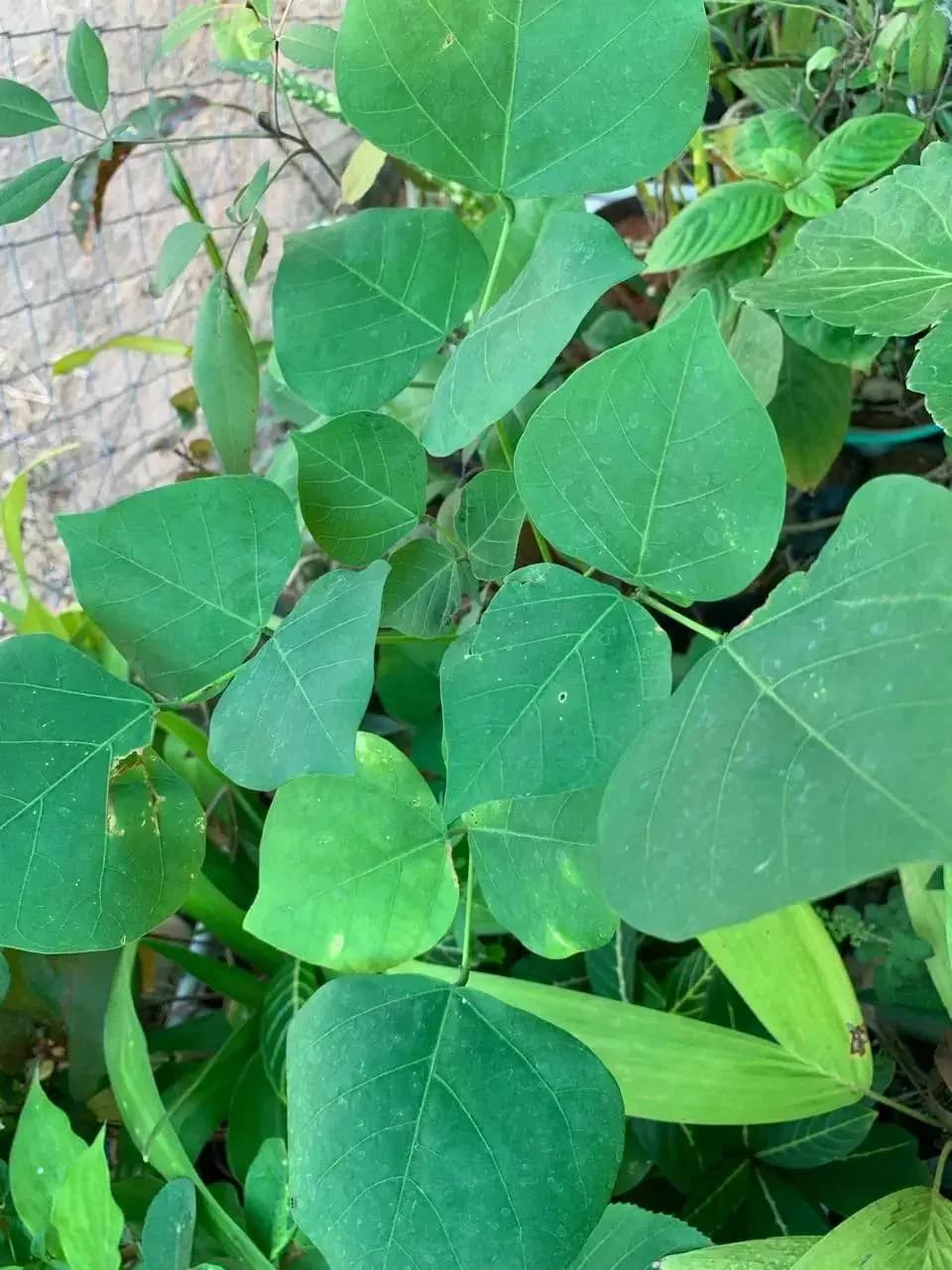
Kalyana Murungai Stem Cuttings, Pangara, Coral Tree Stem, Erythrina Variegata Plant Stem Cuttings
Ornamental Tree
₹100
₹130
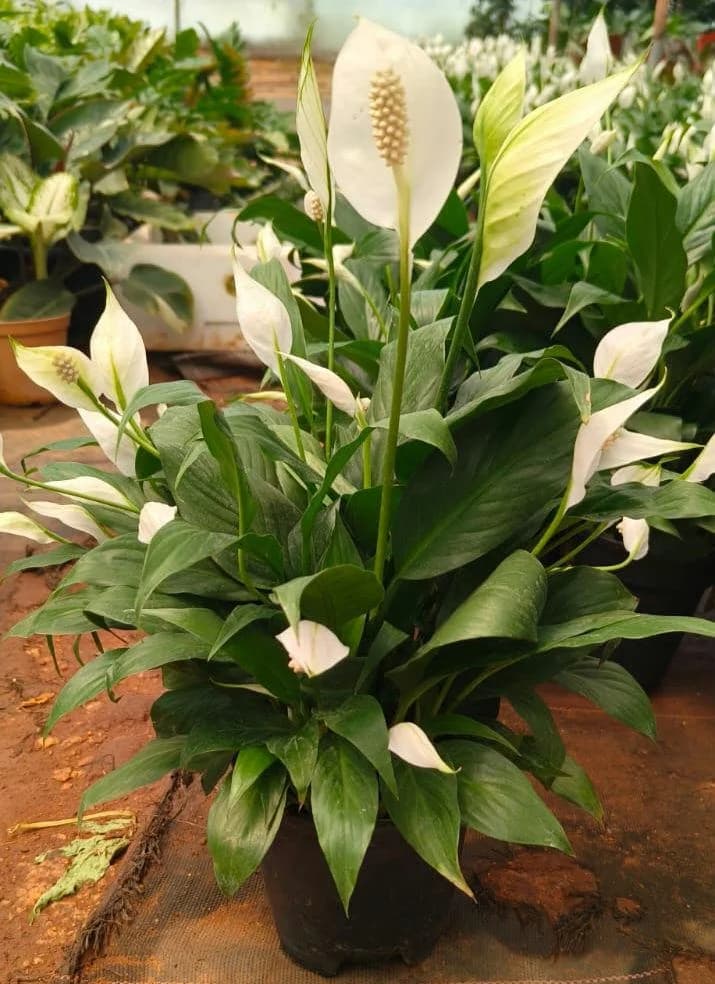
Live Peace Lily Or Spathiphyllum Plant Indoor Outdoor Plant Air Purifier Oxygen Supplier Good Luck With Round Pot For Living Room/bedroom/house/office (peace Lilly) (single Peace Lilly)
Indoor Air-Purifying Plant
₹139
₹190
Looking for something specific?
Search our entire catalog of premium indoor and outdoor plants.