
The Ultimate Guide to Watering Your Beloved Houseplants
Unlock the secrets to perfectly watered houseplants with this comprehensive guide, ensuring your green companions thrive and flourish.
Share Article
Featured Plant
Want the look?
Shop the exact plants mentioned in this article.
Why Proper Watering is Key to Houseplant Health
Water is the lifeblood of all plants, and houseplants are no exception. Getting watering right is one of the most critical aspects of houseplant care, often making the difference between a thriving specimen and a struggling one. Too much, and you risk root rot; too little, and your plant will wilt and suffer. This guide will help you understand the nuances of proper houseplant watering.
Signs Your Houseplant Needs Water
Before you even think about watering, it's essential to know if your plant actually needs it. Here are some common indicators:
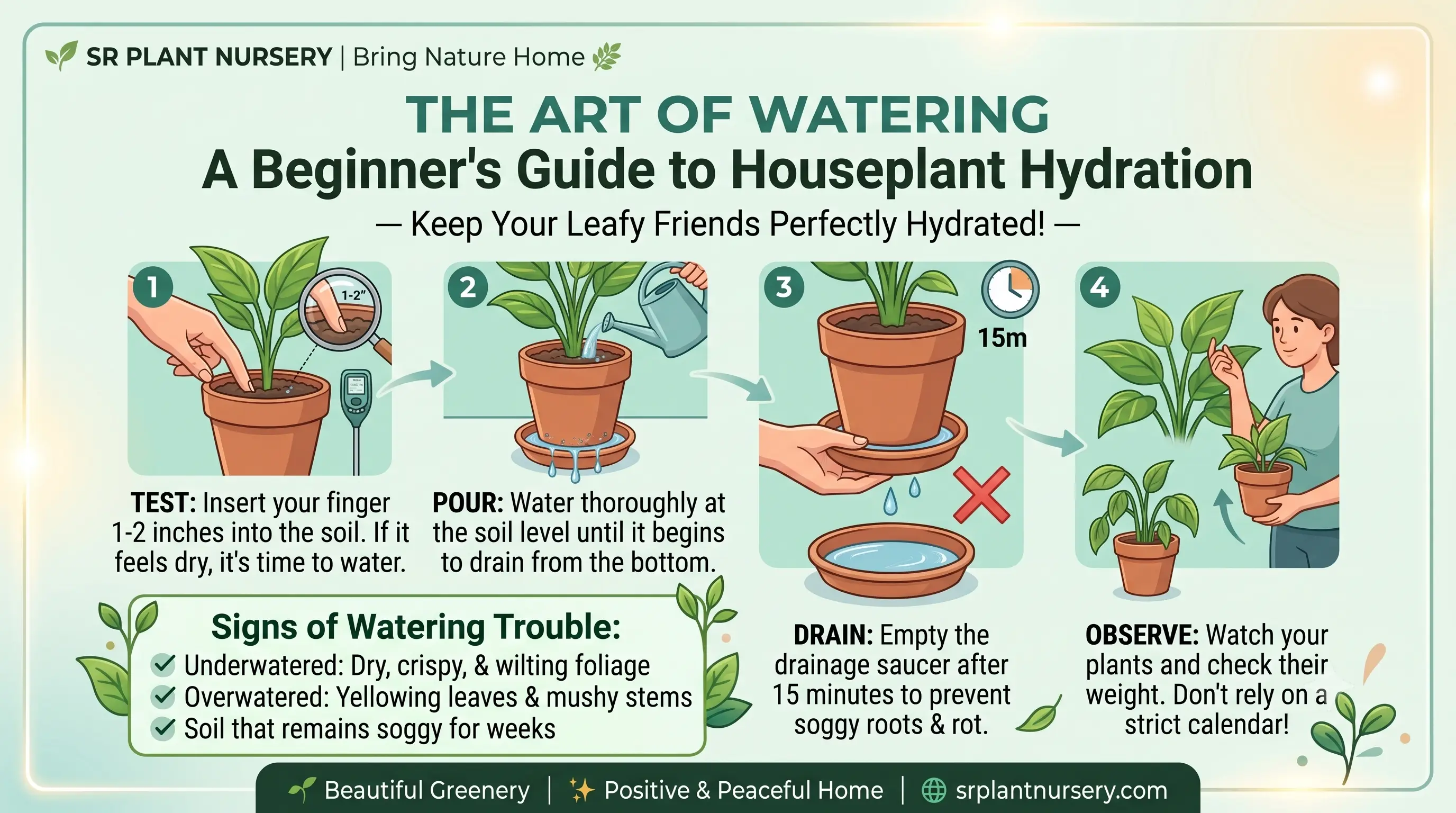
- Dry Soil: The most reliable method is to feel the soil. Stick your finger about an inch or two into the soil. If it feels dry, it's likely time to water. For larger pots, you might need to go deeper.
- Wilting or Drooping Leaves: Many plants will show signs of thirst by drooping or having limp leaves. Be careful, as overwatering can sometimes cause similar symptoms.
- Lightweight Pot: A dry pot will feel significantly lighter than a recently watered one. This is a great indicator, especially once you get to know your plants.
- Fading Leaf Color: Some plants may show a duller or lighter green color when they are thirsty.
How to Water Your Houseplants Effectively
Once you've determined your plant is thirsty, here's how to water it properly:
- Water Thoroughly: Always water until you see water draining from the bottom of the pot. This ensures that the entire root ball is saturated. Discard any excess water from the saucer after about 15-30 minutes to prevent root rot.
- Use Room Temperature Water: Cold water can shock your plant's roots. Aim for water that is lukewarm or room temperature.
- Bottom Watering (Optional but Recommended): For some plants, especially those prone to fungus gnats or with dense foliage, bottom watering can be beneficial. Place the pot in a tray or sink filled with a few inches of water and let the plant soak it up through the drainage holes for 20-30 minutes, or until the topsoil feels moist.
- Consider Potting Mix: Different potting mixes retain water differently. A fast-draining mix will need more frequent watering than one that holds moisture well.
Common Watering Mistakes to Avoid
Even experienced plant parents can make mistakes. Here are some to watch out for:
- Overwatering: This is the most common killer of houseplants. Symptoms include yellowing leaves, mushy stems, and a sour smell from the soil. Always check the soil moisture before watering.
- Underwatering: While less common than overwatering, consistent underwatering can stress your plant. Symptoms include crispy leaf edges, stunted growth, and completely dry, compacted soil.
- Inconsistent Watering: Erratic watering schedules can stress plants. Try to establish a routine based on your plant's needs.
- Ignoring Drainage: A pot without drainage holes is a recipe for root rot. Always ensure your pots have adequate drainage.
By understanding your plant's specific needs and observing these simple guidelines, you'll be well on your way to becoming a houseplant watering expert. Happy growing!
Related Articles

Shop Related Plants
Bring the ideas from this article to life in your own home.
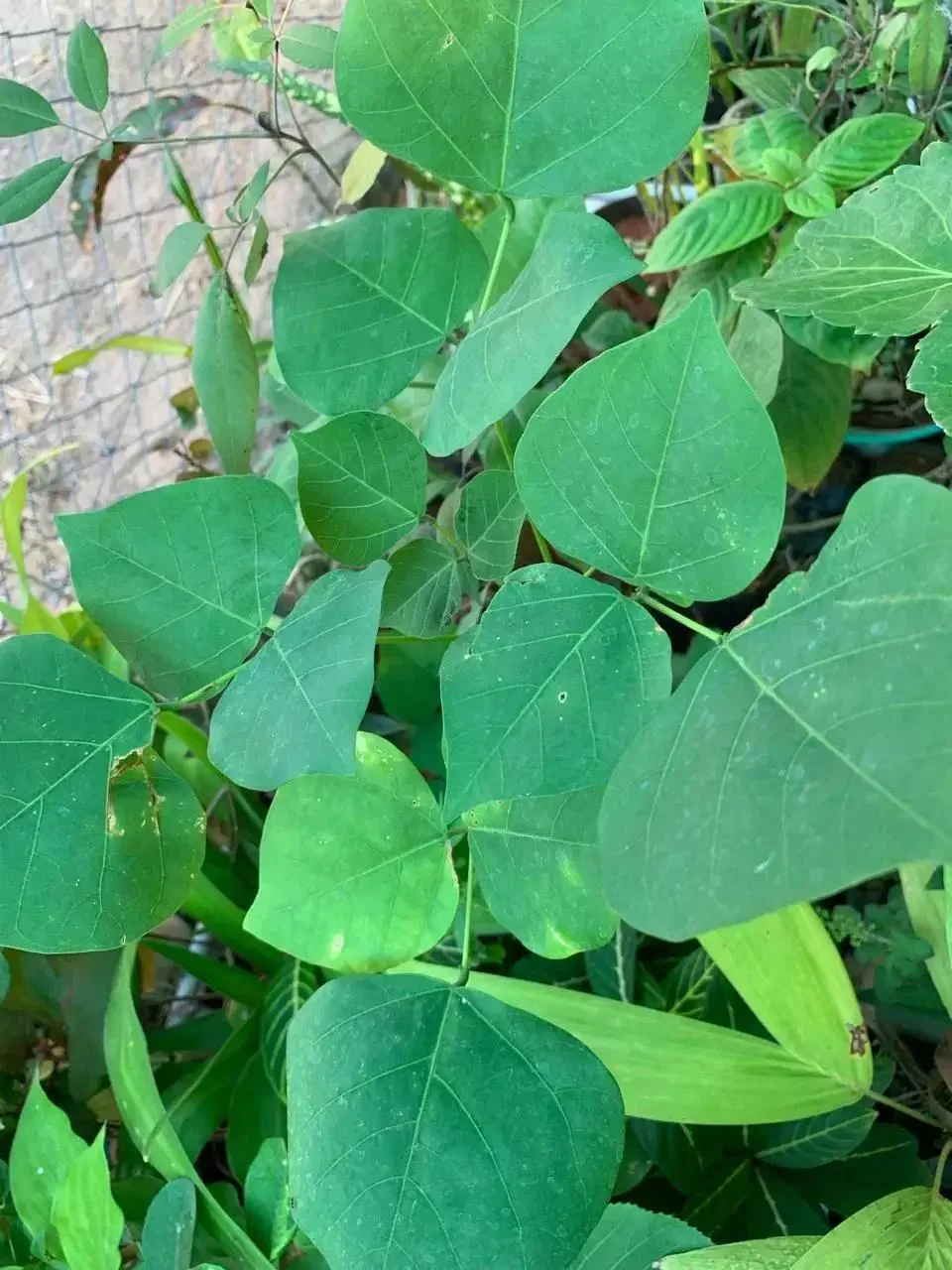
Kalyana Murungai Stem Cuttings, Pangara, Coral Tree Stem, Erythrina Variegata Plant Stem Cuttings
Ornamental Tree
₹100
₹130
Looking for something specific?
Search our entire catalog of premium indoor and outdoor plants.